Introduction
After sharing our preparation and logistics tips in [Part 1: Planning a Bali Family Trip from Australia: e-Visa, Airport Transfers, Wise & Essential Tips], I wanted to share what our family actually experienced during our Bali holiday.
From relaxing in Sanur and exploring southern Bali with a private driver to enjoying fresh seafood in Jimbaran, we made some wonderful family memories. However, our trip also came with an unexpected health scare when our son became seriously unwell.
In this post, I’ll share our firsthand experiences, practical tips for travelling around Bali with children, and how our travel insurance helped cover most of our unexpected medical expenses.
1. Why Sanur Was a Great Choice for Our Family
When travelling with children, choosing the right area to stay can make a big difference. While Kuta and Seminyak are popular for their nightlife and busy atmosphere, we enjoyed the more relaxed pace of Sanur.
A relaxed beachfront atmosphere
Sanur has a beachfront promenade that is popular for walking, cycling, and enjoying the coastal scenery. Compared with some of Bali’s busier tourist areas, we found the atmosphere relaxing for a family holiday.
The coastal reef can help create calmer conditions in some areas, although tides and weather still affect swimming conditions. As always, keep an eye on children near the water and follow local safety advice.
Our strategy for beating the afternoon heat
Bali can be extremely hot and humid, particularly when you’re sightseeing with children.
Rather than spending the hottest part of the day walking around, we often stayed at our villa and let the kids enjoy the swimming pool. We then headed out for sightseeing, shopping, or dinner later in the afternoon.
This simple routine made our days feel less rushed and gave everyone time to rest between activities.
Icon Bali: An air-conditioned break
When we wanted a break from the heat, ICON BALI in Sanur was a convenient option.
The mall offers shopping, cafés, food outlets, and indoor entertainment. We particularly liked having somewhere air-conditioned where the kids could enjoy themselves while the adults took a break.
If you’re travelling with children, an indoor stop like this can be a useful addition to your itinerary, especially during the hottest hours of the day.
Check the official ICON BALI website for current opening hours and facilities before visiting.
2. Our Private Driver Day Trip: Uluwatu, Pandawa Beach and Suluban
For our southern Bali sightseeing day, we arranged a private driver through WhatsApp. We found this a convenient way to visit several locations without having to organise separate transport for every stop.
Why we preferred a larger vehicle
When travelling as a family, I recommend considering a larger vehicle if the additional cost fits your budget.
Bali traffic can be unpredictable, and journeys between attractions may take longer than expected. Having enough space for everyone to sit comfortably—and for the kids to rest between stops—made our day more manageable.
Before confirming a booking, agree on the itinerary, total price, included hours, and any additional charges. Also confirm whether parking fees and attraction tickets are included.
Uluwatu Temple: Beautiful views, but watch the monkeys
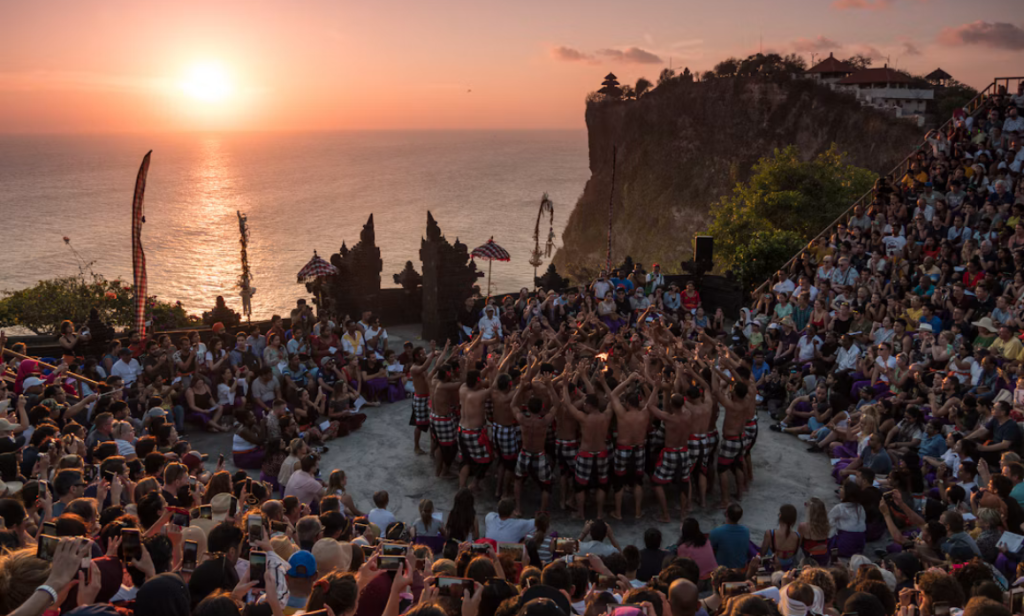
Uluwatu Temple is famous for its dramatic clifftop setting overlooking the Indian Ocean. It is a memorable place to visit, particularly if you enjoy coastal scenery and photography.
However, one thing visitors should take seriously is the local monkey population. Monkeys may grab loose belongings such as sunglasses, hats, phones, and bags.
Keep your belongings secure, avoid feeding or approaching the monkeys, and follow staff instructions if one takes an item.
Dress requirements also apply when visiting the temple. Check the current entry rules and clothing requirements before you go.
Pandawa Beach: Limestone cliffs and coastal scenery
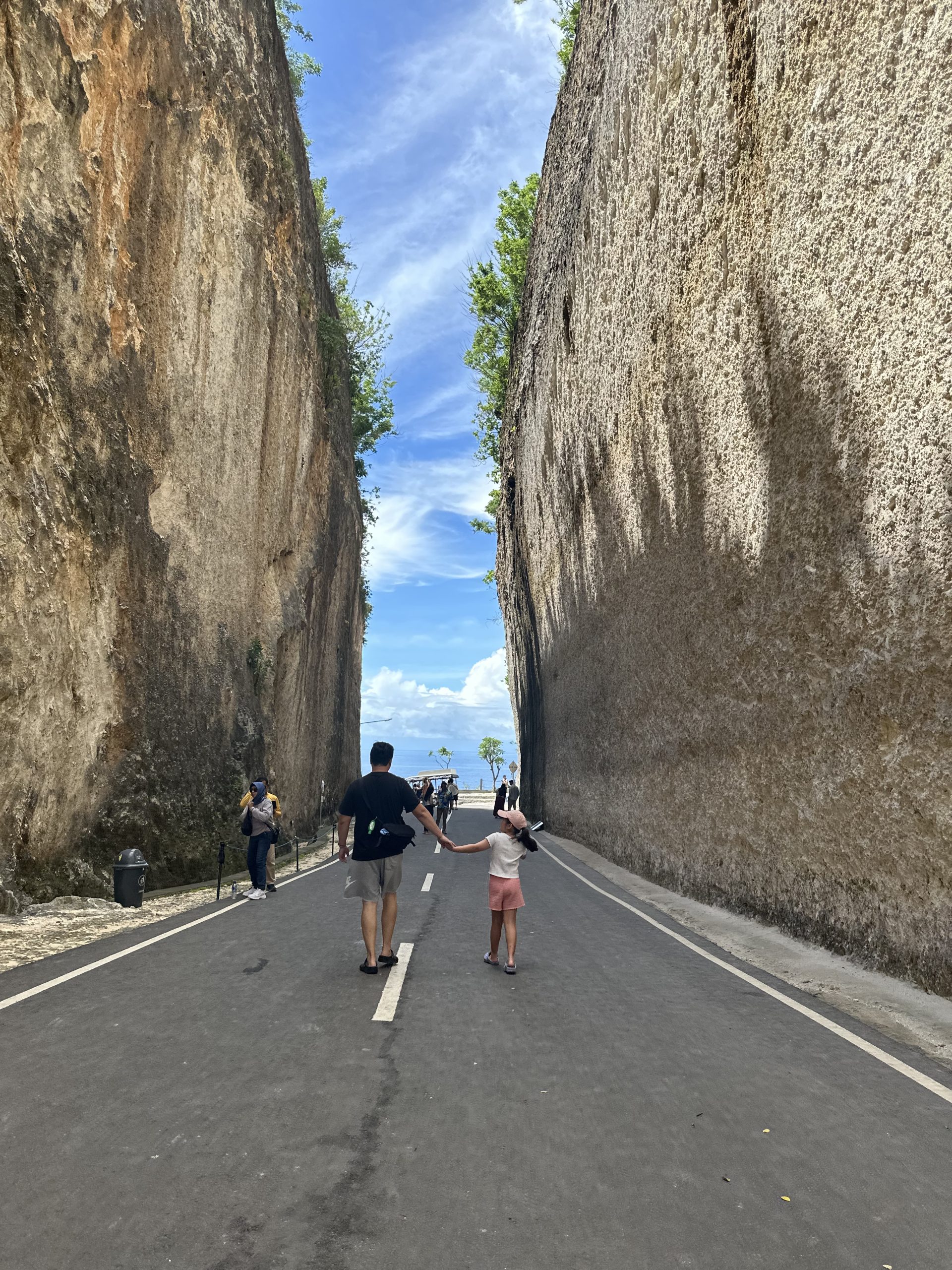
Pandawa Beach is known for its impressive limestone cliffs and coastal views. The approach to the beach is a highlight in itself, making it a worthwhile stop for photographs.
Keep some Indonesian rupiah available for entrance fees, parking, or other local expenses where applicable. Fees and payment methods can change, so check current arrangements before your visit.
Single Fin and Suluban Beach
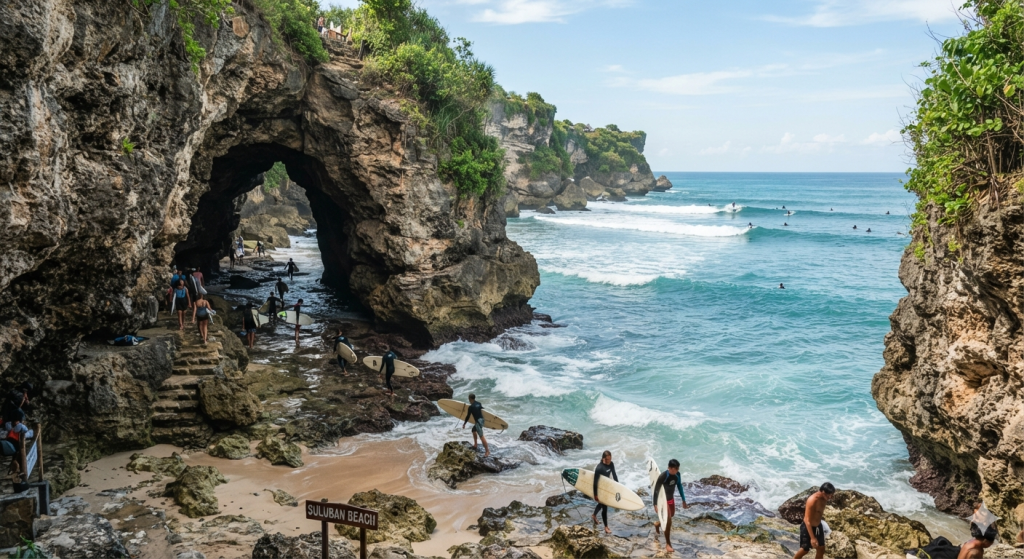
We also stopped at Single Fin, where we enjoyed lunch overlooking the surf.
After lunch, we explored the area around Suluban Beach before heading back. The scenery is impressive, but access to the beach involves steps and uneven terrain, so consider your children’s ages, mobility, and the conditions on the day.
Trying to fit too many attractions into a single day can make a family holiday feel exhausting. Our experience reinforced the value of allowing enough time at each stop rather than rushing through a long checklist.
3. Jimbaran Seafood Market: A Tip from Our Experience
One of the food experiences we enjoyed was visiting the seafood market in Jimbaran.
Instead of simply ordering seafood at a restaurant, we bought fresh seafood at the market and arranged to have it cooked at a nearby beachside restaurant. This gave us a different way to experience the local food scene.
Arrive early and allow plenty of time
If you’re planning a similar experience, consider arriving before the busiest dinner period. We found that waiting for seafood to be prepared can take a while when many customers arrive at once.
Allow extra time to select your seafood, confirm the cooking arrangements, and understand the total price before proceeding.
It’s also worth checking whether the restaurant charges separate cooking, service, or other fees. Keep cash available if needed, and confirm payment methods before buying.
If you enjoy seafood, the combination of a meal by the beach and the coastal sunset can make for a memorable evening. Just remember that sunset times, crowds, and service times vary.
4. Bali Belly: Our Family’s Unexpected Medical Experience
Not every part of a family holiday goes according to plan.
On the sixth day of our trip, our son suddenly developed a high fever, vomiting, and severe diarrhoea. We were concerned and suspected what travellers commonly call Bali Belly.
However, these symptoms can have several causes, and it isn’t possible to identify the cause from symptoms alone.
Could the swimming pool have been a factor?
We had been careful about drinking water and generally used bottled water for drinking. Our son had also spent hours playing in our villa’s swimming pool.
We wondered whether he might have swallowed some pool water while playing. Contaminated recreational water can be one possible source of gastrointestinal illness, but we couldn’t confirm that this caused his symptoms.
The experience reminded us that avoiding tap water for drinking is not the only consideration when travelling. Hand hygiene, food handling, and safe swimming practices also matter.
Arranging a doctor to visit our villa
Because our son had a high fever alongside significant vomiting and diarrhoea, we decided to seek medical assistance rather than assume it was an ordinary stomach upset.
We contacted a local mobile medical service through WhatsApp. Within approximately an hour, an English-speaking doctor and nurse arrived at our villa.
The doctor assessed our son, and the medical team provided treatment that included IV fluids and rehydration support.
Our daughter developed milder symptoms the following day but recovered more quickly.
A practical lesson for parents: Don’t rely on the label “Bali Belly” to judge how serious a child’s illness is. Fever, repeated vomiting, severe diarrhoea, or signs of dehydration warrant prompt medical advice. Seek urgent medical care if a child is unusually drowsy, unable to keep fluids down, or passing very little urine.
You can find more guidance in Healthdirect Australia’s advice on diarrhoea in children.
Our travel insurance claim: Approximately AUD $800 reimbursed
The medical expenses came to approximately AUD $900. The medical team supplied us with detailed medical reports and receipts, which we kept for our insurance claim.
After returning to Australia, we submitted the documents to our travel insurer. We received approximately AUD $800 back within a month, after the AUD $100 excess under our policy.
For our family, this experience demonstrated the practical value of travel insurance. Without it, an unexpected medical problem could have added a significant expense to the holiday.
Our result was specific to our policy, the treatment received, and the terms of our claim. Other policies may have different excesses, exclusions, limits, and reimbursement requirements.
Before travelling, read your policy’s Product Disclosure Statement (PDS), understand the emergency assistance process, and save the insurer’s contact details. If you need treatment overseas, keep itemised receipts, medical reports, prescriptions, and other supporting documents.
For official guidance, see Smartraveller’s travel insurance advice.
5. Our Family Bali Travel Checklist
Based on our experience, these are the practical lessons I’d keep in mind for another family trip.
- Choose your accommodation location carefully. Consider the distance to restaurants, shops, transport, and places you plan to visit.
- Plan around the heat. Leave time for swimming, indoor activities, and rest during the hottest part of the day.
- Consider a private driver for longer day trips. Confirm the price, vehicle size, itinerary, and included hours in advance.
- Keep cash available. Some local purchases and fees may require Indonesian rupiah, but check payment arrangements before committing.
- Be careful around monkeys. Secure loose belongings and follow local guidance at temples and tourist attractions.
- Practise food, water, and hand hygiene. Take care around swimming pools and avoid swallowing recreational water.
- Keep travel insurance documents accessible. Save the emergency contact number and retain receipts and medical reports if you need treatment.
Conclusion
Despite the unexpected medical scare, our Bali holiday was a memorable experience for the whole family.
Sanur gave us a relaxed base, our private driver made it easier to explore southern Bali, and our Jimbaran seafood experience was a highlight. The illness was a reminder that travelling with children requires flexibility and that even a well-planned holiday can bring unexpected challenges.
My biggest takeaway is to balance sightseeing with rest, plan transport around your family’s needs, and make sure you have suitable travel insurance before leaving Australia.
A little preparation can make a real difference when things don’t go according to plan.
If you’re planning your own trip, read [Part 1: PlPlanning a Bali Family Trip from Australia: e-Visa, Airport Transfers, Wise & Essential Tipsanning a Bali Family Trip from Australia: e-Visa, Airport Transfers, Wise & Essential Tips] for our practical advice on entry requirements, airport transfers, local payments, and getting organised before departure.
References & Further Reading
- Indonesia Travel — Official Destination Guide
- Smartraveller Australia — Indonesia Travel Advice
- Healthdirect Australia — Diarrhoea in Children
- Smartraveller Australia — Travel Insurance
- ICON BALI — Official Website
Disclaimer: This article describes our family’s personal travel experience and is provided for general information only. Travel conditions, attraction fees, and facilities may change. Medical symptoms and treatment needs vary, so seek advice from a qualified healthcare professional rather than relying on a travel blog for diagnosis or treatment. Insurance coverage and claim outcomes depend on the individual policy and insurer. Check official sources before travelling.
Leave a Reply