Introduction
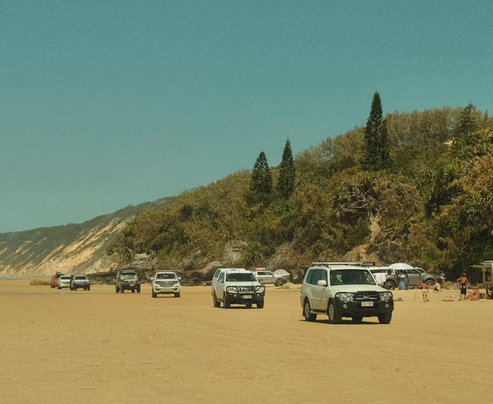
Australia has some incredible places to explore by 4WD, from sandy beach access tracks to remote bush campsites. For our family, taking our Toyota Prado 150 camping has opened up more opportunities to explore the outdoors and enjoy weekend adventures.
However, owning a capable 4WD doesn’t automatically make you an experienced off-road driver. Driving on sand, carrying camping gear, and travelling through remote areas all come with a learning curve. A few common mistakes can turn a relaxing family trip into a stressful, expensive, or potentially dangerous experience.
Through our own camping trips and trial and error, I’ve learned that some of the most important lessons aren’t about buying more accessories. They’re about preparation, knowing your vehicle, and paying attention to the small details.
Here are 10 beginner 4WD camping mistakes to avoid in Australia, including a few lessons I’ve learned from using our Prado 150.
1. Entering Soft Sand Without Adjusting Tyre Pressure
One of the first things to learn about beach driving is that normal road tyre pressure isn’t always suitable for soft sand.
Tyres inflated for highway driving can have difficulty maintaining traction in loose sand. Reducing tyre pressure increases the tyre’s footprint, helping it spread the vehicle’s weight over a larger area.
How to avoid it:
- Stop at a safe, designated area before entering soft sand.
- Check the track conditions and adjust tyre pressure according to the sand, vehicle weight, tyre specifications, and manufacturer’s guidance.
- Carry a reliable tyre pressure gauge and a suitable 12V air compressor so you can reinflate before returning to sealed roads.
- Drive smoothly and avoid sudden acceleration, braking, or sharp steering movements.
On some of our trips, I’ve used around 16–20 PSI as a starting point for beach driving. However, this isn’t a universal recommendation. The appropriate pressure depends on your vehicle, load, tyres, and conditions, and excessively low pressure can damage tyres or cause them to come off the rims.
Always make sure you have a safe plan for reinflating your tyres before driving back onto the road.
2. Blindly Following Deep Sand Ruts
Beach access tracks can become heavily rutted after repeated use by other vehicles. At first glance, following the existing wheel tracks might seem like the easiest option, but deep ruts can leave the underside of your vehicle dragging against the sand.
If the vehicle becomes high-centred, the wheels may lose the traction needed to move forward.
How to avoid it:
- Assess the track from a safe position before committing to the route.
- Look for signs that the ruts are too deep for your vehicle’s ground clearance.
- Avoid entering a section if you cannot confidently identify a safe path through it.
- If the track looks beyond your ability or vehicle’s capability, stop and find a safer alternative rather than forcing your way through.
You may see experienced drivers positioning their tyres on higher ground beside deep ruts. However, this isn’t always safe or possible. The right line depends on the terrain, obstacles, vehicle width, and available space.
As a beginner, don’t feel pressured to follow another vehicle simply because it has already gone through.
3. Packing Hard Gear Against the Rear Windows
Camping gear can move around more than you expect when driving over corrugated roads, uneven tracks, and soft sand.
Hard items such as metal camping chair frames, storage tubs, and tools can damage interior trim or glass if they shift during the journey. A full rear cargo area can also obstruct your visibility through the rear-view mirror.
How to avoid it:
- Secure heavy equipment so it cannot slide or become a projectile during sudden braking.
- Keep hard or sharp items away from side and rear glass.
- Use suitable padding between fragile surfaces and nearby gear where necessary.
- Keep the driver’s field of view clear, including the mirrors and rear window where possible.
- Store lightweight, bulky items on a roof platform only when the rack and vehicle can safely accommodate the load.
For our Prado, a 200L waterproof roof bag has been useful for carrying bulky camping items such as clothing, sleeping bags, and camp chairs.
However, roof storage isn’t a solution for everything. Always check the vehicle’s roof-load limits, the platform manufacturer’s rating, and whether the stated limit applies while driving. Remember that the roof load includes the platform, accessories, and everything carried on it.
4. Forgetting to Check Roof Rack and Platform Bolts
This is one lesson I learned the hard way.
We installed a Rhino-Rack Pioneer Platform on our Toyota Prado 150. After using it for about a year, I hadn’t checked the mounting bolts as regularly as I should have.
During a highway drive, I suddenly heard a loud vibration coming from the roof. The noise was alarming, and I spent a stressful part of the journey trying to work out what was happening.
The experience taught me not to assume that installed accessories will remain secure indefinitely. Vibration from highway driving and corrugated roads can affect mounting hardware over time.
How to avoid it:
- Inspect the platform, mounting brackets, and accessories before long trips.
- Check for movement, damaged components, or signs of loose hardware.
- Keep the appropriate tools in the vehicle.
- Follow the manufacturer’s inspection and torque specifications rather than tightening bolts by guesswork.
If you hear an unusual vibration while driving, pull over at a safe location and investigate before continuing. Never reach for roof-mounted equipment while the vehicle is moving.
A quick inspection before a trip is much easier than dealing with a problem on the highway.
5. Skipping the Post-Trip Underbody Wash
Beach trips are great fun, but sand and salt can be hard on a vehicle if they’re left to accumulate.
Salt residue can contribute to corrosion, particularly around exposed metal components and areas where moisture and dirt collect. Sand and mud can also remain around the wheel arches, suspension, and underside of the vehicle.
How to avoid it:
After a beach trip, I recommend:
- Rinsing the underbody with fresh water as soon as practical.
- Cleaning the wheel arches and accessible chassis areas thoroughly.
- Checking around the suspension and other exposed components for trapped sand or debris.
- Following the vehicle manufacturer’s cleaning guidance and avoiding direct high-pressure spray at sensitive electrical components, seals, or bearings.
An underbody washer attachment can make the job easier, although a careful rinse with suitable equipment can also help.
Don’t forget to check the vehicle after driving through mud or saltwater. A clean exterior doesn’t necessarily mean the underside is clean.
6. Arriving at the Campsite After Dark
Arriving late can make even a familiar campsite feel difficult to manage.
Setting up a tent, inflating mattresses, organising the kitchen, and finding the right spot for your gear are all harder in the dark. When travelling with children, a late arrival can also mean everyone is tired before the evening has even started.
How to avoid it:
- Plan your route so you can reach the campsite well before sunset.
- Allow extra time for traffic, roadworks, fuel stops, and unexpected delays.
- Check campground check-in requirements and access conditions before leaving.
- Keep a headlamp or torch accessible rather than buried inside your luggage.
- If you’re arriving at an unfamiliar campsite, try to leave enough daylight to inspect the site and set up safely.
I prefer to allow around 1.5–2 hours before sunset when the route and booking arrangements make it practical. This is a planning buffer, not a guarantee that every campsite can be set up in that time.
Getting organised before dark makes the first evening much more enjoyable.
7. Running Camping Appliances From the Starter Battery
A portable fridge, lights, and charging devices can use a surprising amount of electricity over a weekend.
If these accessories run from your vehicle’s starter battery for too long, you may not have enough power left to start the engine. This is especially inconvenient when camping away from towns or assistance.
How to avoid it:
Consider a power setup that suits the length and style of your trips:
- Portable power station: A convenient option for charging devices and powering compatible camping appliances.
- Auxiliary battery system: Can be suitable for regular touring or running a fridge for extended periods.
- Solar charging: Can help replenish a compatible power station or auxiliary battery when conditions allow.
Check the power requirements of your fridge and other appliances before choosing a system. Battery capacity, temperature, solar conditions, and daily usage all affect how long your equipment will run.
A dual-battery system isn’t essential for every beginner. For occasional weekend camping, a suitable portable power station may be enough.
The important lesson is to understand your power needs before relying on your vehicle’s main battery.
8. Buying Too Much Gear Before You Know What You Need
It’s easy to watch 4WD and camping videos and feel that you need every accessory before your first trip.
Roof racks, awnings, recovery boards, fridges, drawers, lighting systems, and upgraded suspension can all be useful in the right circumstances. But buying everything at once can become expensive, add unnecessary weight, and make packing more complicated.
How to avoid it:
Start with the essentials:
- A reliable shelter and suitable sleeping gear.
- A practical cooking setup and safe food storage.
- Adequate drinking water.
- Lighting and weather-appropriate clothing.
- A first-aid kit and communication arrangements suitable for your destination.
- Recovery equipment appropriate for the tracks you intend to drive.
After a few trips, you’ll have a better idea of what your family actually uses and what would make camping easier.
For example, our roof platform and waterproof bag have been useful for carrying bulky camping equipment. But not every family needs the same setup.
My advice is to buy equipment based on real needs rather than assuming that a more heavily modified 4WD is automatically a better camping vehicle.
9. Forgetting Recovery Equipment and How to Use It
Getting bogged in soft sand or mud is a possibility when travelling off-road. Even a capable 4WD can lose traction when conditions change.
Relying entirely on other drivers to provide recovery equipment isn’t a good plan, particularly on quieter tracks.
How to avoid it:
Before heading off-road, consider carrying suitable equipment such as:
- A reliable tyre pressure gauge.
- A 12V air compressor.
- A sturdy shovel.
- Traction boards suitable for your vehicle and intended terrain.
- Appropriate recovery equipment compatible with your vehicle’s rated recovery points.
Just as importantly, learn how to use the equipment before you need it. Check your vehicle’s manual to locate its approved recovery points, and understand the limits of your equipment.
Traction boards can help in some situations, but they won’t solve every recovery problem. Avoid attaching recovery straps or winch lines to tow balls or other unsuitable attachment points. Incorrect recovery techniques can cause serious injury.
If your vehicle becomes bogged, stop spinning the wheels. Continued wheelspin can dig the vehicle in deeper. Assess the situation, keep people clear of recovery equipment, and seek experienced assistance when necessary.
For remote trips, also plan how you’ll communicate if there is no mobile coverage.
10. Ignoring Tide Times and Leaving Food Accessible to Wildlife
This final mistake combines two things that can quickly spoil an Australian camping trip: underestimating the beach environment and assuming food is safe just because it’s at your campsite.
Check tides and beach conditions
Beach driving requires more planning than simply arriving and following the shoreline. Rising tides, waves, soft sand, and restricted exits can leave a vehicle with fewer safe options.
Before setting off:
- Check local tide predictions and beach access information.
- Follow any local driving restrictions and directional signs.
- Consider waves, weather, recent conditions, and the available firm sand.
- Allow enough time to leave the beach safely if conditions change.
Driving near low tide can sometimes provide firmer sand, but low tide alone doesn’t guarantee safe conditions. The safest timing and route depend on the particular beach, weather, waves, and local advice.
Never continue along a beach if the available route is becoming unsafe.
Store food and rubbish properly
Birds, goannas, possums, and other wildlife may raid food or rubbish left unattended. Once animals learn that campsites provide easy meals, they may keep returning.
To reduce the risk:
- Keep food in secure containers.
- Put food and rubbish away when not in use.
- Follow the campground’s wildlife and food-storage rules.
- Use designated animal-resistant storage where required.
- Never feed wild animals.
A sealed plastic tub can help keep food organised, but it isn’t necessarily wildlife-proof. In areas with specific requirements, follow the local park authority’s advice about suitable storage.
Keeping your campsite clean protects your food, reduces unwanted animal visits, and helps protect wildlife.
Conclusion: Learn the Basics Before Adding More Gear
You don’t need an expensive, heavily modified 4WD to start enjoying camping in Australia. What matters more is understanding your vehicle, preparing for the conditions, and learning from each trip.
For our family, using a Toyota Prado 150 has taught me that small details can make a big difference—from checking roof platform bolts to organising gear properly and cleaning the vehicle after a beach trip.
Start with manageable destinations, build your skills gradually, and never feel pressured to attempt a track that is beyond your experience or your vehicle’s capabilities.
If you’re planning your own setup, you can also read my guide to [Practical 4WD & Camping Setup for Toyota Prado 150: Roof Racks, Beach Driving & Real Lessons]. I’ve also shared our real-world ownership expenses in [Toyota Prado 150 Running Costs: What We Actually Spend in Australia].
The goal isn’t to have the most accessories or tackle the hardest track. It’s to get home safely, enjoy the experience, and look forward to the next adventure with your family.
Leave a Reply